
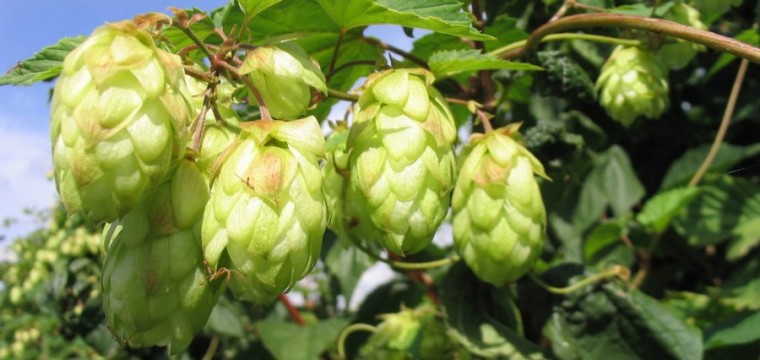
The craft brewing is increasingly diffusa.Ogni region now has numerous micro-breweries. In Abruzzo 16, including Opperbacco, brewery Maiella, Terre d’Acquaviva, Anbra, Desmond which produce very popular craft beers. As everyone knows, the ingredient that gives it the characteristic bitter flavor to beer is hops.
It's time to find out more about this interesting species, in addition to being widely cultivated for its important commercial use, It is rather diffused also to the spontaneous state.
Many might think, indeed, whether it's a unique species of Northern Europe, where the production of beer is widespread. In the wild state, instead, Hops are present in much of Italy, especially Central and Northern, ed It is also common in Abruzzo, where it is spread along the main riverbeds in ditches and in moist and shady woods in particular nell'Aquilano and in Teramano.
In the Abruzzese dialect nomenclature is called jupice (Anversa degli Abruzzi), luparu, lupoli, lupene, Lupicus (Aquilano), luppola (Pietraferrazzana with derivation of the Latin word lupulus.
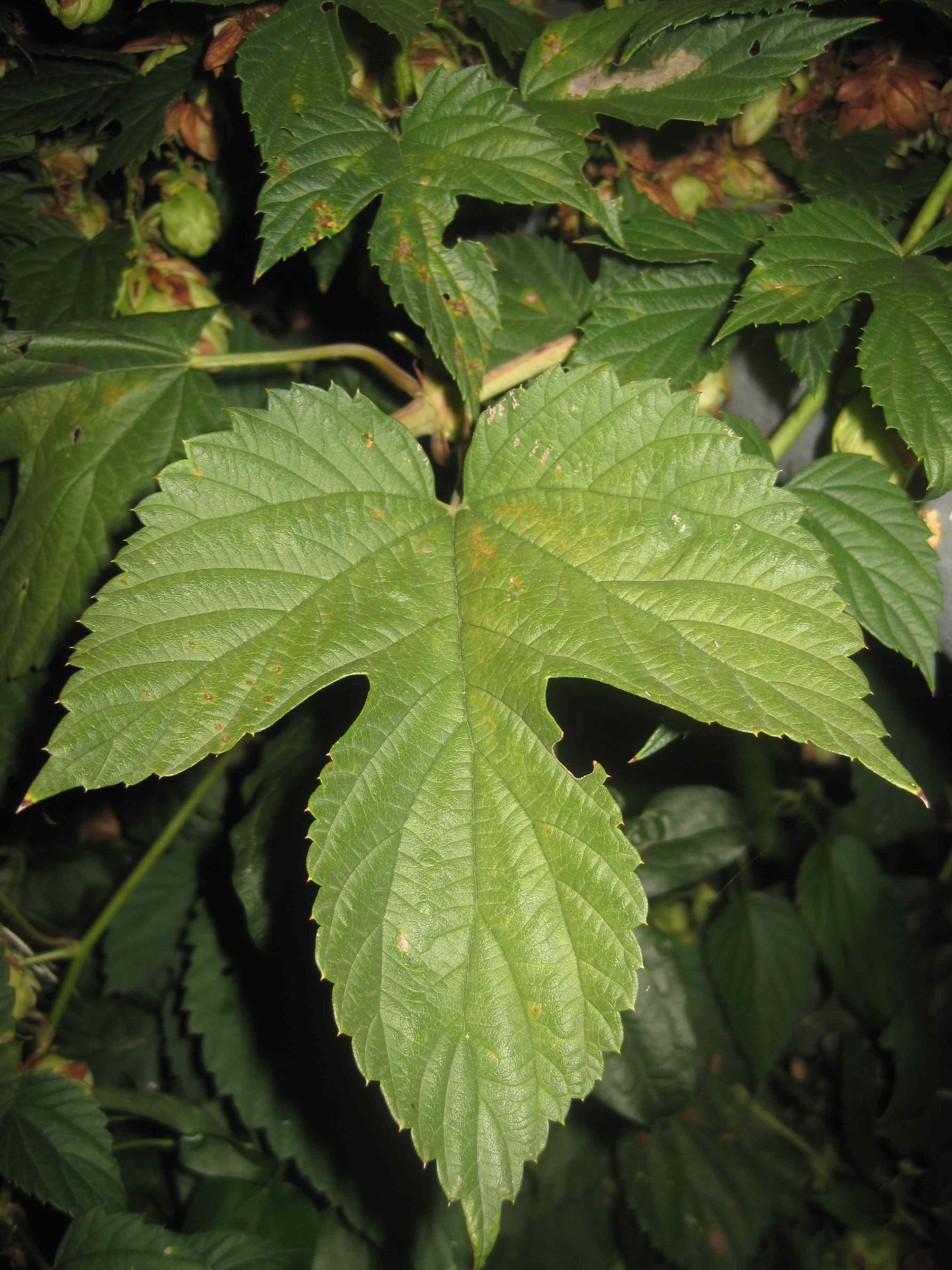 In Abruzzo and Molise in Spring is primarily collect the young shoots that they are consumed in omelettes, such as asparagus. In vastese the species is known with the dialect of luppele or also uppele. Specimens of hops are also present in the valley of Trigno and Sinello.
In the basin of Trigno is especially along the secondary tributaries of both the Abruzzo side that Molise (fiume Trieste, stream Monnola, the Botte stream etc.). A Furci (CH), eg, the species is known as tenne de lupe. In Middle and High Vastese, indeed, the term "held" O "pinnacle"Indicates tender and edible shoots, for example those of the On (Hedysarum coronarium), known in dialect as grandalupine. In the valley of Trigno harvesting of wild hop it is practiced only by a few experts and collectors, that the particular flavor and bitterness of the young hop jets is even better than that of wild asparagus.
Properties and Uses. It contains essential oil, lupulin, ed a narcotic alkaloid resine; It is a strong sedative, emmenagogo, anafrodisiaco, bitter tonic. The infusion and dust are helpful in case of insomnia, jitters, sexual excitability and loss of appetite as well as to calm stomach pains.
In the kitchen They are employed young boiled jets and then consumed to equal the asparagus as a vegetable, in risottos, fritatas, soups and sauces.
The hops and beer. The increased use of hops is no doubt that inherent inproduction of beer, which it is added to impart a bitter taste, promote the clarification and prevent acidification. The female cones, without stalk, They are harvested in late summer (August September), dried in the shade in layers and fought to bring down the "grains" (lupppolino) and stored in a cool place and protected from light. The dried female flowers were added to beer in the thirteenth century by Gambrinus, the legendary King of Beer, giving this drink to the current pleasantly bitter flavor. The healing properties of the hops, combined with those of wheat and barley, They gave rise to the proverb "Who drinks beer campa hundred years“. It 's always been considered a medicinal plant, shown to stimulate the gastrointestinal tract; the tea made from it is a known sedative and sleeping.
The wild hop is used for the production of beer? Many wonder if the wildlife species is suitable for spice and craft beer amaricare. The Brewers experts respond thatyou can not use the wild hop because of unreliability in terms of quality and quantity of alpha acids (AA), too variable from year to year, even in the same specimen. For this reason amaricare beer using selected varieties with stable and measurable performance (example the Saaz, the waterfall, the Nugget). But the varieties, to be used, They require special precautions and often chemical analysis. A method for estimating the amount of alpha-acids present in hops It is shown in this interesting site: http://www.hobbybirra.info/view_megafaq.asp?id_menu_megafaq=97 , dedicated to the production of craft beer.